
20+ Years Experience
Specialist Garden Outhouses
Enquire Today For A Free No Obligation Quote
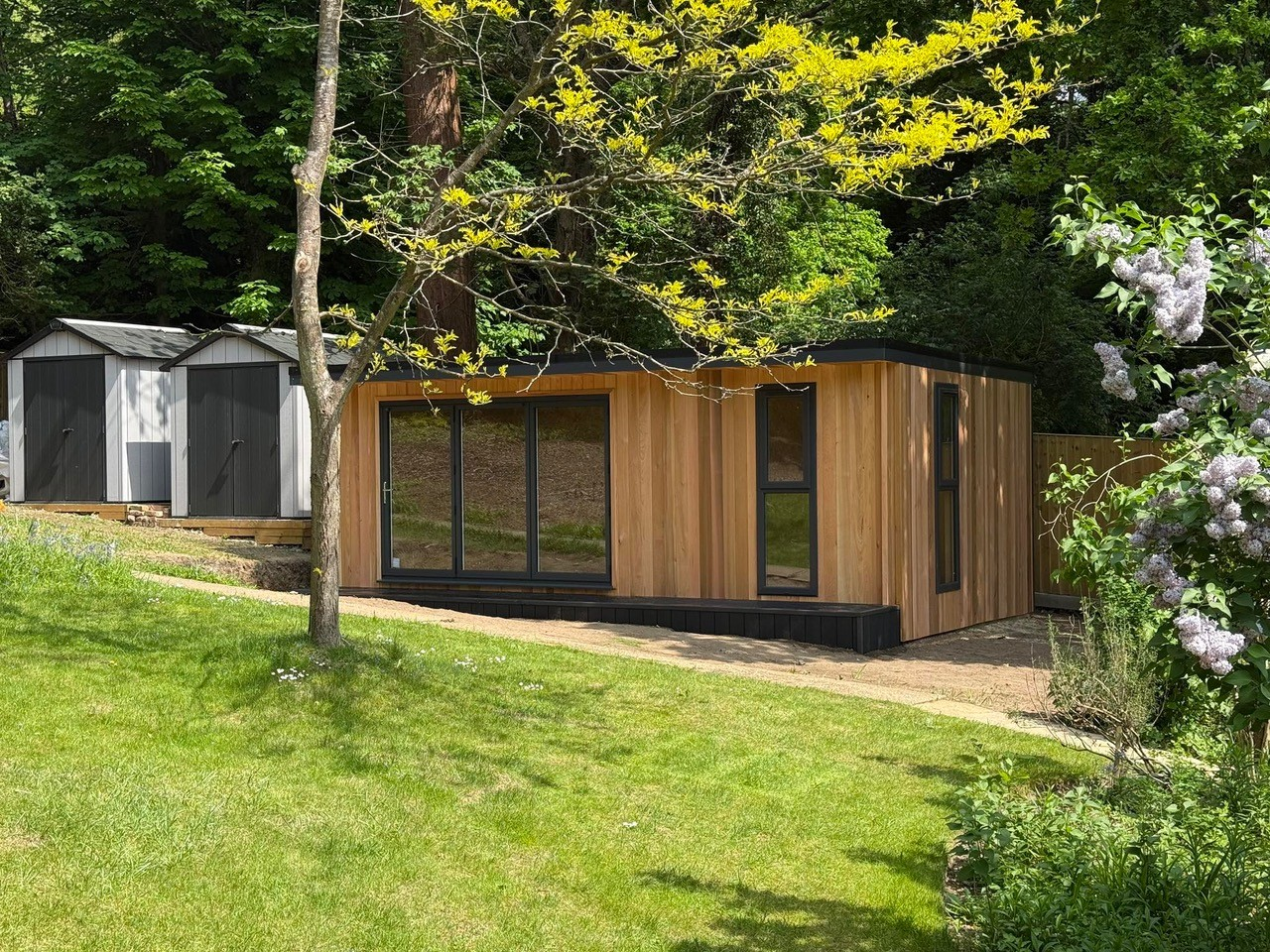
A garden house, also known as a garden room or backyard studio, is a stand-alone structure in your backyard that serves as an extension of your home. It can be used for various purposes, such as a home office, art studio, gym, or relaxation space.
With the rise of remote work, more and more people are considering a garden house as their ideal home office. According to a study by the University of Exeter, being surrounded by nature can improve productivity, reduce stress, and increase overall well-being. These are just a few of the reasons why a garden house can be the perfect solution for your home office needs.
But what exactly goes into designing your dream garden house? Here are the key elements to consider:
Once you have a plan in mind, here are the steps to bring your garden house to life:
Using your garden house as a relaxing home office involves incorporating natural elements, creating a comfortable and functional work space, using plants for a calming atmosphere, utilising technology, and taking breaks to enjoy the outdoors. With careful planning and design, your garden house can become a peaceful and productive sanctuary for work and relaxation.
A garden house is a small, detached residential building situated in a garden or backyard, offering a serene retreat or a functional space for various activities. It can serve as a home office, an art studio, a relaxation spot, or a guest room, providing a tranquil and close-to-nature environment.
As more and more individuals are shifting towards remote work, the need for a functional and comfortable home office has become essential. And what better way to create a peaceful and productive work environment than with a garden house? In this section, we will delve into the benefits of having a garden house as your home office. From increased productivity to the separation of work and home life, we will discuss the advantages that a garden house can offer for your work-from-home journey.
Increased productivity in a garden house can be achieved by:
A friend of mine transformed her garden shed into a serene office space. With natural light and a peaceful ambiance, she doubled her work efficiency and creativity.
Position windows strategically to maximise natural light and ventilation. Consider skylights or light tubes to bring in additional natural light. Use light, sheer curtains to allow sunlight in while maintaining privacy.
Pro-tip: Keep windows and doors open to promote air circulation and create a refreshing workspace.
Create a designated workspace within the garden house to mentally separate work from home life. Establish set working hours and stick to them, avoiding work outside these times. Develop a routine to transition into and out of work mode when using the garden house.
Did you know? Establishing clear boundaries between work and home life can lead to reduced stress and improved overall well-being.
When it comes to designing a garden house that will serve as your ideal home office and peaceful retreat, there are several key elements to consider. In this section, we will discuss the crucial aspects that go into creating a functional and relaxing garden house. From choosing the perfect location and orientation to selecting the right size and layout, as well as incorporating the right materials and aesthetics, each decision plays a role in shaping your dream garden house. Let’s dive into the details and explore the essential components of designing your own garden house.
Assess the location: Consider the position of the sun, prevailing winds, and privacy from surrounding structures.
Understand the orientation: Determine the best orientation for natural light and energy efficiency.
Evaluate the surroundings: Take into account the existing landscape and how the garden house will complement it.
Consider the dimensions of the garden house, ensuring it fits the available space and meets your requirements.
Plan the layout to include sufficient space for your intended activities, such as work or relaxation areas.
Factor in the positioning of windows and doors to optimize natural light and ventilation.
Materials: Consider durable and weather-resistant materials like cedar, redwood, or composite decking for longevity.
Aesthetics: Choose a design that complements your home’s architecture and landscaping, such as modern, rustic, or traditional styles.
When selecting materials and aesthetics for your garden house, prioritize sustainability and visual harmony with your surroundings. Incorporate eco-friendly materials and select a design that enhances the overall appeal of your outdoor space.
Are you dreaming of a peaceful and productive work space nestled in your own backyard? Look no further than a garden house. But before you start building, there are a few important steps to consider. In this section, we will guide you through the process of designing your ideal garden house, from determining your needs and budget, to gathering inspiration, creating a plan and design, obtaining necessary permits, and finally, building and furnishing your dream home office in the great outdoors.
Assess Your Needs: Identify the purpose of the garden house – home office, living space, or recreational area.
Evaluate Budget: Determine the funds available for the construction, furnishing, and maintenance of the garden house.
Visit garden house showrooms and exhibitions to gather inspiration.
Explore online resources, such as Pinterest and architectural websites, for design ideas.
Consult with professional architects and designers to gain insights and recommendations.
Review home office and living space design books and magazines for creative concepts.
Visit botanical gardens and natural retreats to seek inspiration from the surrounding environment.
Assess Your Needs: Identify the purpose of the garden house, whether as a home office, studio, or living space.
Design Considerations: Create a floor plan and prioritize elements like natural lighting, ventilation, and storage.
Budget Planning: Determine the overall budget, including construction costs, permits, and furnishings.
Material Selection: Choose durable and weather-resistant materials suitable for your climate and desired aesthetics.
Seek Professional Input: Consult with architects or designers to refine your plan and ensure structural integrity.
Research local building codes and zoning regulations to understand permit requirements.
Submit a formal application to the relevant authorities for construction permits.
Ensure compliance with environmental and architectural guidelines.
Obtain necessary approvals from homeowner’s associations or neighbourhood committees.
Plan the layout and design to optimise space and natural light.
Obtain necessary permits and permissions before commencing construction.
Choose durable, weather-resistant materials for longevity.
Consider multifunctional furniture to maximise the space.
Personalise the space with plants, artwork, and comfortable furnishings.
Pro-tip: Create a versatile space by incorporating storage solutions and flexible furniture to adapt to changing needs.
Are you looking to transform your garden house into a peaceful and productive home office? With a few simple design strategies, you can create a space that promotes relaxation and boosts productivity. In this section, we will discuss five key elements to consider when designing your ideal garden house home office. From incorporating natural elements to utilizing technology, we’ll explore how you can strike the perfect balance between work and relaxation in your garden house.
Integrate natural light by positioning windows strategically. Include ventilation to invite fresh air indoors. Use eco-friendly materials like reclaimed wood and sustainable insulation.
In the 19th century, the Arts and Crafts movement emphasised integrating natural elements into architecture to promote a connection with the environment and improve well-being.
Choose an ergonomic desk and chair to support good posture and minimise physical strain. Ensure ample lighting to reduce eye strain and increase productivity, utilising natural light and adjustable artificial lighting. Organise the workspace efficiently with storage solutions, keeping the area clutter-free and promoting focus. Incorporate personal touches and decor to create a welcoming and inspiring work environment.
Select plants known for air-purifying qualities, such as peace lilies and spider plants, to improve air quality. Position greenery strategically to create a sense of tranquility and well-being within the garden house. Consider adding aromatic plants like lavender or jasmine to enhance relaxation and promote a calming atmosphere.
Did you know? The presence of plants in indoor spaces can reduce stress and increase productivity.
Invest in ergonomic furniture and equipment to enhance comfort and productivity.
Utilise smart lighting, adjustable desks, and noise-cancelling headphones for an efficient work environment.
Integrate high-speed internet and reliable tech support for uninterrupted workflow.
Incorporate digital organisation tools and software for seamless task management.
Fact: A well-designed garden house can increase property value by up to 5%.
Your garden house can serve as much more than just a home office. With some creative design choices, it can become a versatile living space that meets all your needs. In this section, we’ll discuss how you can incorporate natural elements into your garden house to create a peaceful and rejuvenating environment. Then, we’ll explore different ways to make your garden house a functional and comfortable living space, such as creating a cozy reading nook or a mini kitchenette. Let’s dive into the endless possibilities of using your garden house as a flexible living space.
Use natural materials like wood and stone for a rustic ambiance.
Integrate greenery through potted plants and vertical gardens.
Maximize natural light with large windows and skylights.
Suggestions:
Assess your available space and determine the ideal location for your garden house.
Create a layout plan that aligns with your intended use, incorporating features like windows, doors, and storage.
Research different materials and aesthetics to find the best fit for your garden house design.
Obtain any necessary permits and permissions before commencing the construction phase.
Build and furnish your garden house according to your personalized design and functional requirements.
When creating a garden house, remember to prioritize functionality and comfort while embracing natural elements for a serene and productive environment.
Garden rooms are standalone structures that offer a distinctive charm and a wide array of benefits. They provide a versatile, cost-effective, and quick solution to expanding living space without the need for a traditional home extension. With their zen inspired decor and tranquil plants, they can also provide a calming retreat from the busy world outside.
Yes, a garden room can make a practical and stylish addition to your home office. Consider features such as a designated space for a desktop computer, a swivel chair for comfort, and a wi-fi connection for easy communication. You can also add air purification to create a healthy and productive workspace.
A garden room can be used for various purposes such as a yoga studio, guest house, or outdoor entertainment area. It can also be a quiet and private space for reading, writing, or as a designated area for young children to play without background noise. The possibilities are endless.
Garden rooms and timber cabins not only provide additional living space, but also add significant value to a property. They are a desirable feature for potential buyers, making a property more attractive on the market. Additionally, they are a more cost-effective option compared to traditional home extensions.
No, garden rooms come in a variety of sizes and styles to fit different needs and budgets. They can be customized to fit your preferred style, whether it’s a traditional cabin style or a modern and minimalist design. With interior tweaks and the addition of water features, they can be transformed into a zen inspired retreat.
With the pandemic forcing many to work from home, having a dedicated workspace is more important than ever. A garden room provides a quiet and self-contained living space, free from distractions. It also allows for flexible working arrangements and the option to work late into the night without disturbing the rest of the household. Plus, it’s a financially sound decision for those looking to save on house moves or office rent.
We Aim To Reply To All Enquiries With-in 24-Hours